What Being a Trauma Surgeon Has Taught Me About Life
Published: October 25, 2026
 By Dr. Adeolu Adeboye
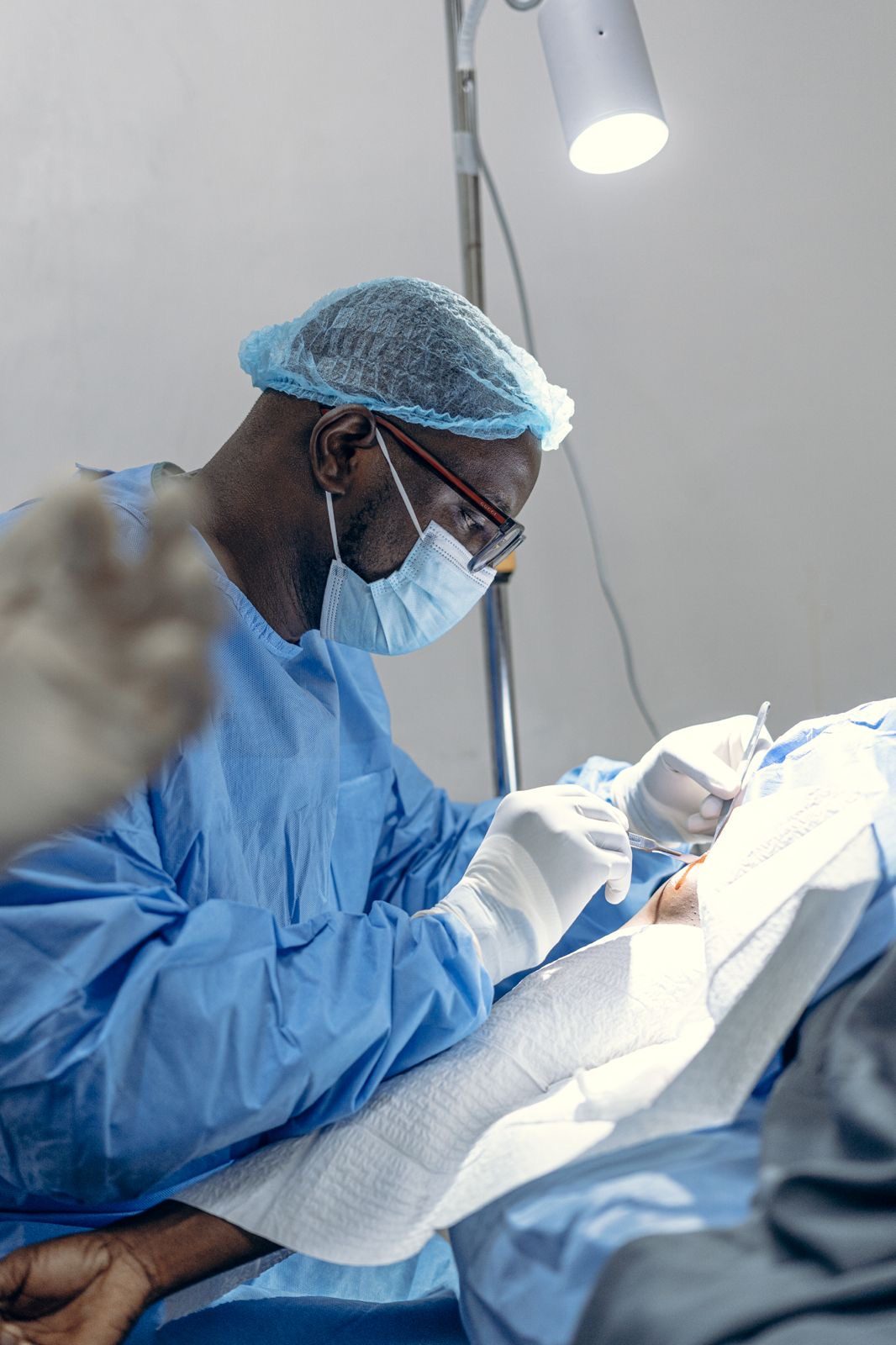
Lessons on purpose, preparation, and the value of every moment.
As a trauma surgeon, I often meet people on one of the worst days of their lives. Most of them never imagined they would need someone like me. I’ve stood with families trying to make sense of news they never expected to hear. I’ve seen recoveries that once seemed impossible, and experienced losses that have reminded me of the limits of medicine. Over time, this work has taught me lessons that reach well beyond the hospital: about what matters, how we prepare for uncertainty, and how we use the time we’re given.
Don’t take ordinary moments for granted
Most of us make plans with the quiet expectation that tomorrow will come. We postpone conversations, delay important decisions, and sometimes let the demands of everyday life crowd out the people and things we care about most.
In trauma surgery, you’re reminded almost daily that life doesn’t always unfold according to our plans. I’ve seen how a single unexpected event can alter the course of someone’s life, and how quickly a family’s priorities change when someone they love is fighting to survive.
That has made me more conscious of things that are easy to overlook: a conversation with someone you love, an ordinary evening at home, the simple ability to get up in the morning and go about your day. I don’t believe we should live in fear of what might happen. But I do believe we should appreciate what we have while we have it.
Prepare before there’s no time to prepare
I remember caring for a patient who arrived after a motor vehicle collision with dangerously low blood pressure. A bedside ultrasound revealed bleeding within the abdomen, and we knew there was no time to waste. We took the patient straight to the operating room to control the hemorrhage.
In moments like that, there is little room for hesitation. There’s no time to consult a textbook or weigh every possibility. You have to recognize what matters most, decide with the information available, and act.
What may look like instinct is often the product of years of training, repetition, experience, and lessons learned from difficult cases. Preparation is not simply about acquiring knowledge. It’s about developing the judgment, discipline, and confidence to use that knowledge when circumstances demand it.
The same is true outside medicine. The habits we build, the relationships we nurture, the values we live by, and the effort we invest in becoming better at what we do all shape how we respond when life presents us with something unexpected.
We cannot anticipate every challenge, but we can be intentional about who we’re becoming before those challenges arrive.
Stay humble
I also remember a young patient who arrived after a devastating accident. We performed an emergency thoracotomy right there in the trauma bay, doing everything within our power to save the patient’s life. The team gave multiple blood transfusions and did everything we could. Despite our efforts, the patient did not survive.
Experiences like that stay with you. They remind you that even with all our knowledge, training, and technology, there are limits to what we can accomplish. You can make the right decisions, assemble an excellent team, and do everything within your power, and the outcome may still be different from what you hoped.
That can be hard to accept in a profession built on solving problems and saving lives. But it has taught me to recognize what is within my control, accept what is beyond it, and never allow experience to diminish my willingness to keep learning.
No one saves a life alone
Trauma surgery has also deepened my appreciation for the people I work alongside. A successful resuscitation or operation is rarely the accomplishment of one individual. It depends on nurses, physicians, respiratory therapists, technicians, and many others whose skill and commitment are essential to every patient’s care.
Some of the most important lessons I’ve learned about leadership have come from watching a team work together under pressure. When every second counts, clear communication, mutual respect, trust, and a shared sense of responsibility are not niceties. They are essential to giving every patient the best possible chance.
Live with purpose
There is something sobering about caring for someone at a moment when their future is uncertain. It reminds you that the knowledge and opportunities you’ve been given are not simply achievements to be celebrated. They are responsibilities to be carried thoughtfully.
My Christian faith has shaped how I understand that responsibility. I believe our lives should have meaning beyond our own accomplishments, and that what we have been given should, in some way, make life better for others. That conviction influences how I approach medicine, teaching, leadership, and service. It also shapes the kind of husband, father, friend, and person I want to be.
After years of training and practice, I am still learning. Every patient brings a different story, and every difficult decision offers something to reflect on. I cannot control every outcome but I can choose to prepare diligently, treat people with compassion, remain open to learning, and give my attention to the things that matter most.
Life is too precious to be taken for granted, and every day presents an opportunity to live with purpose, love more deeply, and make a difference in the lives of others.
That is perhaps the greatest lesson trauma surgery has taught me, and one I hope to carry with me throughout my life.
Get new articles in your inbox.
Occasional reflections on medicine, leadership, faith and service, plus book and media updates from Dr. Adeboye.
Keep reading
More reflections on medicine, leadership, faith and service are in Insights.